

Beyond Survival: Why Sustainable Child Empowerment in Benin Demands a System, Not Sympathy
- Myrese /
- February 17, 2026
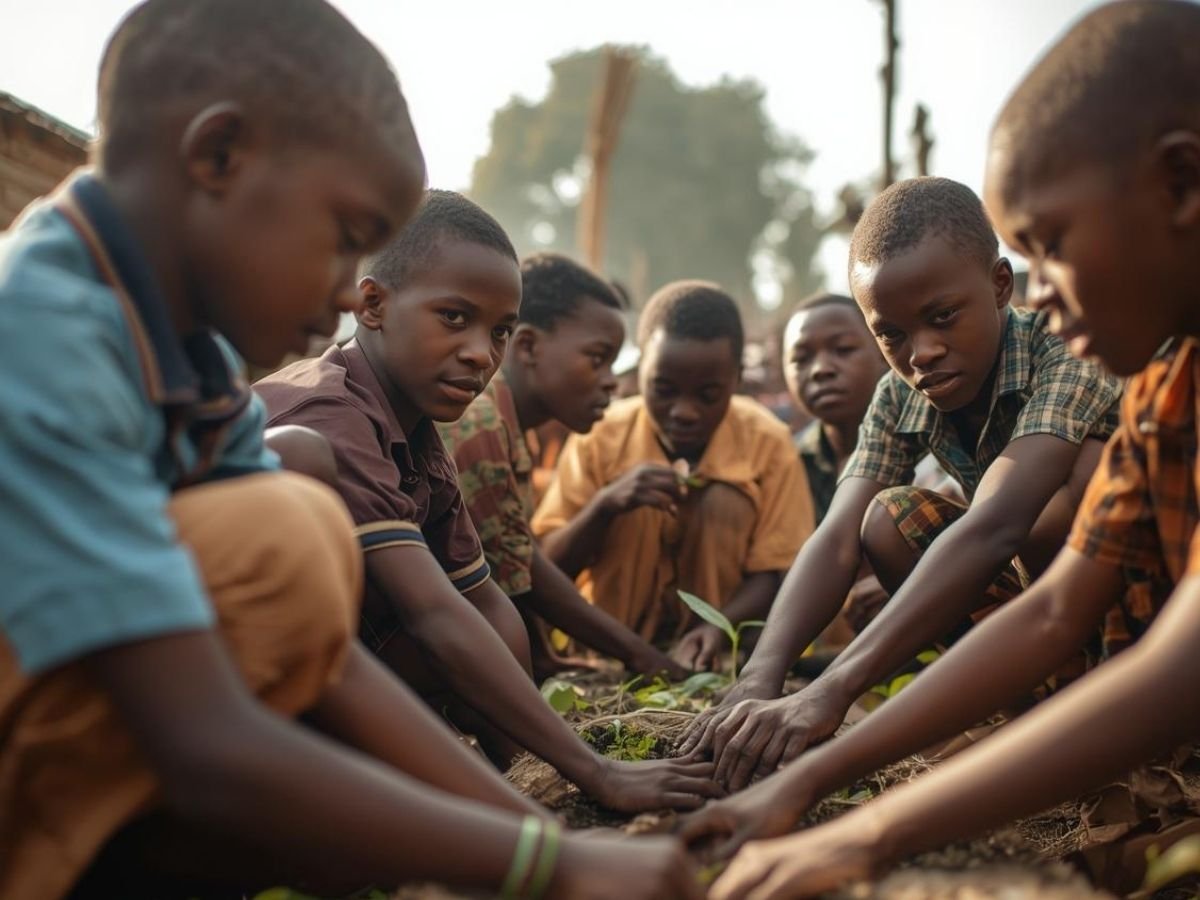
For decades, global conversations around vulnerable children have centered on urgency — hunger, crisis, emergency relief. But what if the deeper issue is not just survival, but structure?
In regions like Benin, West Africa, the challenge facing vulnerable children is rarely a single event. It is a layered system of economic limitation, educational gaps, nutrition instability, and restricted access to safe water. Addressing one without the others often creates temporary relief — not transformation.
The real shift begins when we stop asking, “How do we help today?”
And start asking, “How do we change the trajectory of a child’s next 20 years?”
The Demographic Reality: A Young Nation, A Critical Window
Benin has one of the youngest populations in the world. Over 40% of its population is under the age of 15. This demographic structure presents both opportunity and risk.
When investment in children is strong, such populations can fuel economic growth. When support systems are weak, the same demographic pressure increases long-term poverty cycles.
Globally, research shows:
- Children who complete secondary education increase lifetime earnings by up to 50–100% compared to those who do not.
- Access to early nutrition can improve cognitive performance by up to 20%, directly impacting academic retention.
- Each additional year of schooling reduces the likelihood of early marriage and child labor significantly.
In short: child support is not charity — it is long-term economic engineering.
Food Insecurity Is Not Just Hunger — It Is Developmental Risk
Chronic undernutrition remains a silent barrier to opportunity in many parts of Sub-Saharan Africa.
Malnutrition during early childhood affects:
- Brain development
- Immunity
- Learning capacity
- Emotional regulation
According to UNICEF, nearly 1 in 5 children in West Africa experience stunted growth due to chronic undernutrition.
Stunting is not only a physical condition. It correlates with reduced school performance, lower income potential in adulthood, and increased vulnerability to illness.
Providing consistent access to nutritional food is therefore not a short-term intervention — it is a foundation for lifelong productivity.
Education Gaps: The Cost of Interrupted Schooling
Education disruption is one of the most underestimated drivers of intergenerational poverty.
Across developing regions:
- Millions of children remain out of school due to economic hardship.
- School attendance drops sharply when families face financial instability.
- Girls are disproportionately affected by early dropout patterns.
When education is interrupted:
- Employment prospects decline dramatically.
- Vulnerability to exploitation increases.
- Economic mobility narrows.
Studies consistently demonstrate that every $1 invested in education yields approximately $10–$15 in long-term economic return.
Education is one of the highest-yield social investments available.
Clean Water and Hygiene: A Hidden Multiplier
Access to safe drinking water and sanitation is often discussed as a health issue. It is more accurately described as a multiplier.
When children lack access to clean water:
- School attendance declines due to illness.
- Healthcare costs rise.
- Families lose work hours caring for sick children.
The World Health Organization estimates that unsafe water contributes significantly to preventable childhood diseases globally.
Improving water access does more than prevent illness — it stabilizes communities.
The Psychological Dimension: Stability Builds Confidence
Beyond physical needs, vulnerable children often lack one critical element: stability.
Psychological research shows that consistent mentorship and safe environments improve:
- Emotional resilience
- Academic persistence
- Decision-making capacity
Children who feel supported are more likely to:
- Stay in school
- Avoid harmful behaviors
- Develop leadership qualities
Empowerment is as much emotional as it is material.
Moving From Aid to Empowerment
Traditional aid models focus on distribution.
Sustainable models focus on development.
The difference is strategic.
Empowerment-based approaches prioritize:
- Continuous education access
- Nutritional stability
- Health awareness
- Community integration
- Skill development
This ecosystem approach creates compounding impact.
Rather than addressing isolated needs, it strengthens the entire framework surrounding a child.
Why Community Engagement Matters
Support structures cannot function in isolation. Community involvement — including faith-based groups, local leadership, and volunteer networks — amplifies sustainability.
When communities participate:
- Accountability increases
- Resources are utilized more efficiently
- Cultural sensitivity improves
- Long-term continuity strengthens
Localized engagement reduces dependency and increases ownership.
The Economics of Prevention vs. Recovery
Investing in children is significantly more cost-effective than addressing adult poverty outcomes later.
For example:
- Preventive child nutrition programs cost far less than long-term healthcare treatment.
- School retention programs reduce future unemployment assistance burdens.
- Early intervention lowers long-term public expenditure.
Prevention is not only compassionate — it is fiscally responsible.
A Different Perspective on Giving
Many donors focus on immediate relief because urgency is visible. Yet the most meaningful transformation often occurs quietly over time.
When a child receives:
- Reliable meals
- Access to structured education
- Safe drinking water
- Emotional mentorship
The effect compounds year after year.
Impact should not be measured only by meals served or supplies distributed — but by futures reshaped.
Conclusion
Vulnerability is rarely caused by a single factor — and it cannot be solved by a single solution. In Benin and similar regions, child empowerment requires a structured, sustained approach that integrates nutrition, education, health, and emotional support.
Caroline Agnes Corp is committed to building that structure — not just responding to emergencies, but investing in long-term stability for vulnerable children. Through consistent programs, community collaboration, and dedicated volunteer efforts, CAAG works to ensure that support today translates into opportunity tomorrow.
Because when we move beyond survival and toward empowerment, we do more than help a child — we help shape a generation.